




73%
Main
Set Information
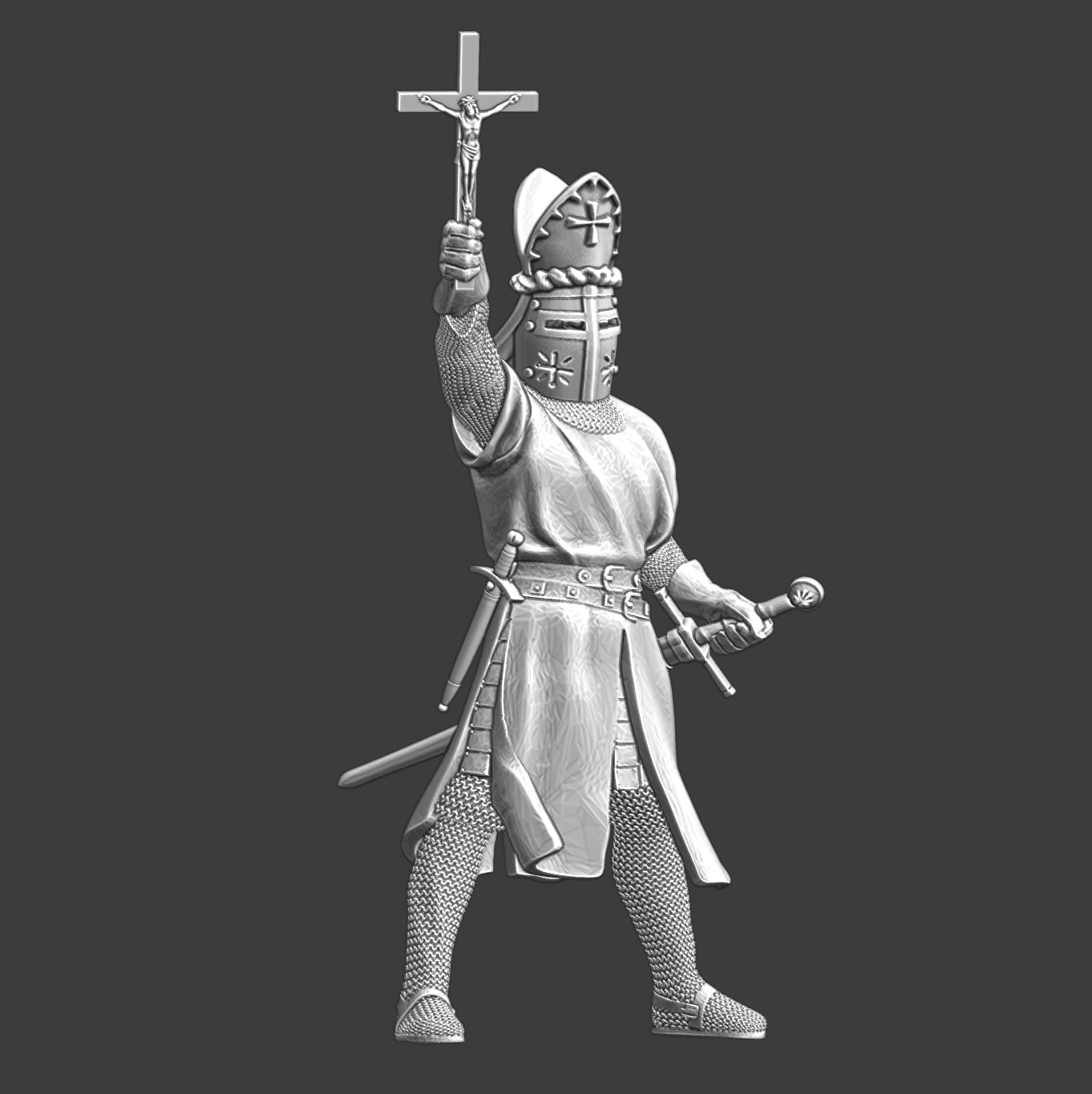
Type: MiniatureMaterial: Digital
3d print ONLY

Released: 24 August 2026
Miniatures in set: 1
Scale: 32mmScale Calculator
Last known price: $5 (02.09.2026)
Sculpting type: 3D Modelling
id: ncm-mmf836932-
Short Url: /s/2YmC WoW!
References
Company: Game: Faction:?
Specification: ?
Setting: Persons:
Sculptor: ?
Painter: ?
Info Completeness
73%
Help us with info!
Help us with info!
What miniatures to add next?
A few clicks and we will hear you!
Hash-tag
#mini_id_ncm_mmf836932
 Our Telegram channels and bot:
- New miniatures and figures
- News and Articles about miniatures
- Chat and discussions
- Miniset Assistant Bot


We are looking for Miniature's Collectors to combine efforts in gathering all information about miniatures from over the world!
mail@miniset.net
mail@miniset.net
2013 - 2026 Miniset.net - site for miniatures collectors, with free open miniatures base.
All names, trademarks and images are copyright their respective owners.
All names, trademarks and images are copyright their respective owners.